✔️ Subscribe to ESPN Unlimited: https://plus.espn.com/nfl
#ESPN

| Club | League | Win | Draw | Lose | played | Goals For | Goals Against |
|---|
✔️ Subscribe to ESPN Unlimited: https://plus.espn.com/nfl
#ESPN
Dak Prescott throws to George Pickens who makes a tough grab and is able to get both feet inbounds to score a 21-yard touchdown that gives the Cowboys a 17-14 lead over the Eagles on Monday Night Football.
✔️ Subscribe to ESPN Unlimited: https://plus.espn.com/
#ESPN #NFL
The Eagles retake the lead on Monday Night Football as Dameon Pierce finds a hole and runs into the end zone for a 5-yard touchdown.
✔️ Subscribe to ESPN Unlimited: https://plus.espn.com/
#ESPN #NFL
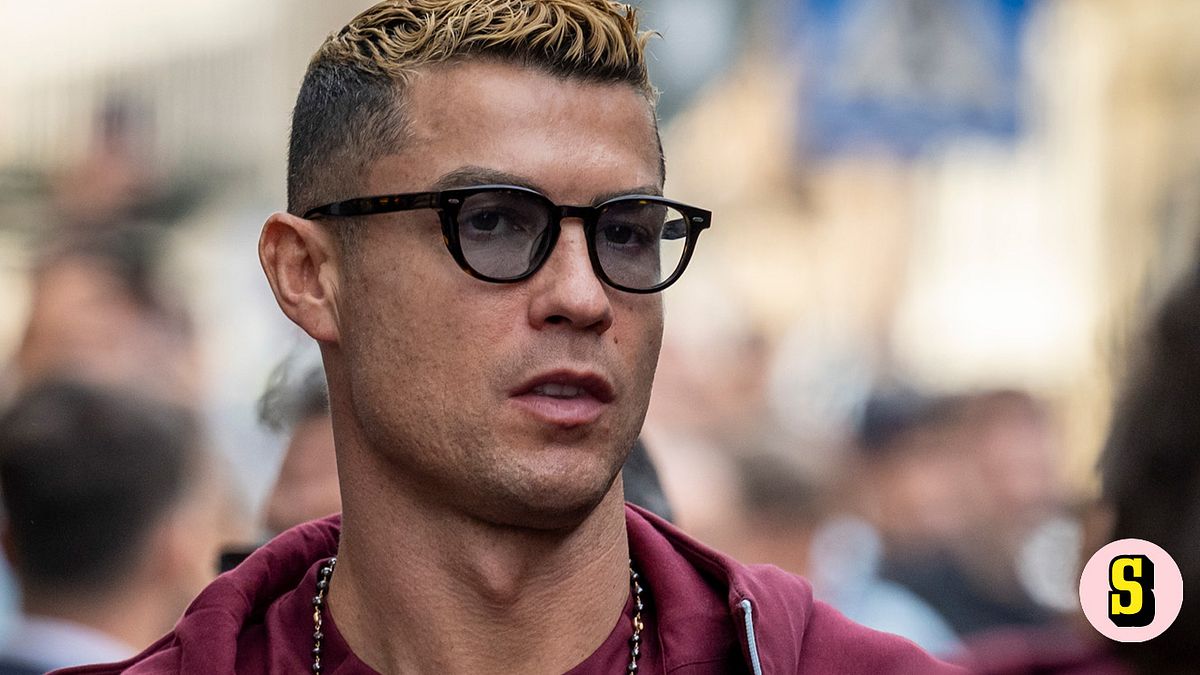
Enligt portugisiska medier finns Cristiano Ronaldo med i Portugals preliminära trupp inför Nations League i november.
I Portugals vinst mot Norge i september var Ronaldo bänkad en hel landslagsmatch för första gången på 18 år. Efter det har relationen mellan anfallaren och Portugals förbundskapten Jorge Jesus varit minst sagt stel.
Efter att Ronaldo lämnat den senaste samlingen utan lov stängdes han av i 30 dagar och fick böta drygt 2800 kronor. Då rapporterades det att Portugals främste målgörare gjort sitt i landslaget.
Men nu ska konflikten mellan Jesus och Ronaldo ha svalnat, och Ronaldo välkomnas tillbaka till landslaget.
Portugal är redan klart för kvartsfinal i Nations League. De behöver bara en poäng för att säkra förstaplatsen i gruppen.
✔️ Subscribe to ESPN Unlimited: https://plus.espn.com/nfl
#ESPN
✔️ Subscribe to ESPN Unlimited: https://plus.espn.com/nfl
#ESPN
✔️ Subscribe to ESPN Unlimited: https://plus.espn.com/nfl
#ESPN
✔️ Subscribe to ESPN Unlimited: https://plus.espn.com/nfl
#ESPN
Barcelona, Barcelona, Spanien, Barcelona, PSG…
Och så den tyngsta statyetten: Bayern München. England.
Inte ens spelbolagens optimistiska prognos kunde förbereda någon i salen på chocken när namnet till slut lästes upp. Många hade förstås hoppats, men ingen vågade ta ut segern i förskott. Inte i konkurrens med de betydligt vanare klubbnamnen och nationaliteterna.
Hela 25 år hade gått sedan Michael Owen blev senaste engelsman att få utmärkelsen. Det är sant att betydelsen av den här galan generellt sett är större i Sydeuropa.
Men att se 33-årige Harry Kane ta emot världens mest prestigefyllda fotbollspris hemma i London – en destination till ära av Sir Stanley Matthews – gör något med varenda landsman ikväll, var så säkra.
Om Kylian Mbappé anser sig vara född till att vinna Ballon d’Or, fick Kane kämpa hårt för att ens övertyga klubbar i närområdet om att han var en striker värd att satsa på.
Som liten släpptes han av Arsenal. Tottenham tog in honom i värmen, men utan omedelbar tro på hans storhet.
Under sejourerna i Leyton Orient, Millwall, Norwich och Leicester hårdnade Harry Kanes pannben markant. Det som till slut utmärkte honom bland alla Premier League-aspirerande talanger var inte hans fysiska attribut – snarare hans intelligenta fotbollshjärna.
Och så har vi målen.
Med sina 280 fullträffar gick Kane om Jimmy Greaves som Tottenhams bästa målskytt genom tiderna. Tre gånger vann han skytteligan i Premier League innan flytten till Tyskland.
Engelsmannen har hållit en hög nivå under en lång tid. Men ju äldre Harry Kane blir desto mer klinisk, smart och involverad blir han tydligen på planen.

Inte minst den gångna säsongen.
73 mål för klubb- och landslag är siffror som är svåra att vifta bort.
De inhemska pokalerna med Bayern München blev ytterligare ett argument för varför Harry Kane var en värdig vinnare. Något exempelvis Mbappé saknade bland alla individuella utmärkelser.
Att Kane nu står här på anrika Palladium med Guldbollen i händerna förvånar ändå.
Inte baserat på hans sportsliga meriter – de talar för sig själv – utan för att hans varumärke inte är riktigt lika starkt som Mbappé och Lamine Yamals.
Harry Kane bjuder sällan på färgstarka intervjuer och figurerar inte i de flashigaste reklamkampanjerna. Och ibland tenderar Ballon d’Or att bli en popularitetstävling, där de sista vitala rösterna kan lockas över genom aggressiv marknadsföring.
Ibland funkar det att bara vara sig själv.
I somras gjorde Kane ett av sina allra mest älskvärda tv-framträdanden.
Direkt efter att England hade slagit ut Mexiko i en kaotisk åttondelsfinal på ett mullrande Azteca ställde han sig framför mikrofonen – och fick bara fram ett väsande ljud.
För att vara en person som bryr sig extra mycket om att ge ett professionellt intryck, verkade Kane ta de oundvikliga Kalle Anka-jämförelserna med en uppfriskande klackspark.
Det var enkelt att relatera till hans uppenbara passion för England i mästerskapet. För första gången på länge kände engelsmännen med sitt landslag på ett djupare plan, liksom de kommer glädjas åt att deras kapten nu har utnämnts till årets bästa spelare.
Efter en säsong likt 2025/2026 kan Harry Kane förstås vara trygg i sitt eget skinn.
Byggd i Leytonstone, formad på lån, dyrkad i Tottenham. Uppgraderad i München. Det lät osannolikt – men han gjorde det.